
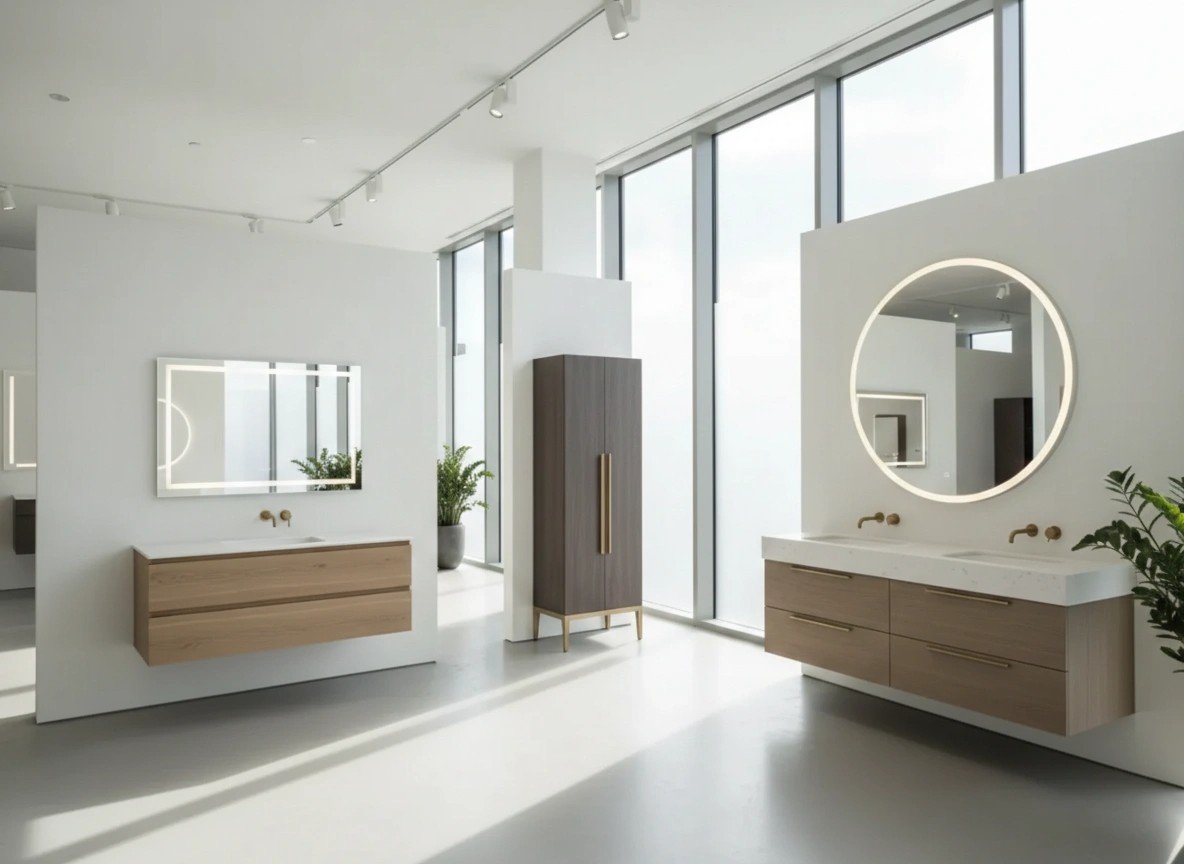
Your bathroom vanity anchors the entire room. It's where you start and end each day, storing essentials while setting the aesthetic tone for the space. Yet choosing the right vanity can feel overwhelming with countless sizes, styles, and features to consider.
This comprehensive guide walks you through everything you need to make an informed decision—from measuring your space to understanding construction quality to selecting finishes that endure.
Step 1: Measure Your Space
Before falling in love with any vanity, understand your bathroom's physical constraints. Proper measurement prevents costly mistakes and ensures comfortable daily use.
Width Measurements
Measure the wall space where your vanity will sit. Account for:
- Door swing: Ensure the vanity door (and any bathroom door) can open fully without collision
- Toilet clearance: Maintain at least 15 inches from the vanity edge to the toilet center
- Walking space: Allow minimum 30 inches of clear floor space in front of the vanity
- Adjacent walls: Note any protruding elements like light switches or towel bars
Standard Vanity Widths
- 24 inches: Powder rooms, very small bathrooms
- 30-36 inches: Small to medium bathrooms, single sink
- 48 inches: Medium bathrooms, generous counter space
- 60-72 inches: Large bathrooms, typically double sink
Height Considerations
Standard vanity height has evolved. Traditional vanities stood at 30-32 inches, but contemporary "comfort height" vanities measure 34-36 inches—matching kitchen counter height and reducing back strain.
Consider the primary users. Taller individuals appreciate higher vanities. Homes with children or shorter adults might prefer traditional heights. Some vanities offer adjustable legs for customization.
Depth Measurements
Standard vanity depth runs 21 inches, but variations exist:
- 18-20 inches: Shallow vanities for tight spaces
- 21-22 inches: Standard depth, most common
- 24 inches: Deep vanities with extra counter and storage space
Step 2: Choose Your Style
Vanity style affects both aesthetics and functionality. Understanding the main categories helps narrow your search.
Floating (Wall-Mounted) Vanities
Mounted directly to the wall with no floor contact, floating vanities create an airy, modern look while making floor cleaning easier.
Advantages:
- Visually expands small bathrooms
- Easy floor maintenance
- Customizable installation height
- Contemporary aesthetic
Considerations:
- Requires solid wall backing
- Professional installation recommended
- Less storage than freestanding equivalent
- Exposes plumbing (though often styled attractively)
Freestanding Vanities
Traditional floor-standing vanities with legs or a full base, offering maximum stability and storage.
Advantages:
- Abundant storage capacity
- Easier installation
- Hides plumbing completely
- Works with any wall type
- Wide style range from traditional to modern
Considerations:
- Takes up more visual space
- Floor cleaning around base
- Fixed height
Vessel Sink Vanities
Features a countertop with a sink that sits on top rather than being recessed, creating a statement piece.
Best for: Contemporary bathrooms, powder rooms, spaces where the sink becomes a design focal point
Note: Vessel sinks add height—typically 5-8 inches above the counter. Factor this into overall vanity height to maintain comfortable use.
Step 3: Select Your Sink Configuration
Single Sink
Ideal for vanities under 48 inches, single sinks maximize counter space for daily essentials.
Sink placement options:
- Centered: Balanced look, equal counter space on both sides
- Offset: More usable counter on one side, common in smaller vanities
Double Sink
Standard for vanities 60 inches and wider, double sinks accommodate multiple users simultaneously.
Benefits: Reduces morning congestion in shared bathrooms, increases home value, provides symmetrical design
Trade-offs: Reduces counter space, increases plumbing complexity and cost, requires wider vanity
Step 4: Evaluate Storage Needs
Storage capacity varies dramatically between vanity styles. Assess what you need to store:
Daily Essentials
- Toiletries and cosmetics
- Hair tools (dryer, straightener, etc.)
- Towels and washcloths
- Cleaning supplies
Storage Features to Consider
Drawers: Ideal for organized storage of small items. Look for soft-close mechanisms and full-extension slides that allow access to the entire drawer depth.
Cabinets: Good for larger items like extra towels or cleaning products. Shelves should be adjustable to accommodate items of various heights.
Open shelving: Displays attractive items but requires tidiness. Works well for styled towels, plants, or decorative baskets.
Built-in organizers: Drawer dividers, pull-out trays, and specialized compartments maximize usable space.
Step 5: Understand Construction and Materials
Construction quality determines how long your vanity lasts and how well it resists bathroom humidity.
Cabinet Materials
| Material | Durability | Moisture Resistance | Price Point |
|---|---|---|---|
| Solid Wood | Excellent | Good (with proper finishing) | $$$$ |
| Plywood | Very Good | Very Good | $$$ |
| MDF (Medium Density Fiberboard) | Good | Fair (vulnerable if seal breaks) | $$ |
| Particleboard | Fair | Poor | $ |
Recommended: For bathrooms, prioritize solid wood or high-quality plywood. These materials withstand humidity better and last longer, justifying the higher initial investment.
Countertop Materials
Marble: Luxurious and classic but requires sealing and careful maintenance. Prone to staining and etching from acidic products.
Quartz: Engineered stone that's non-porous, stain-resistant, and low-maintenance. Excellent durability with consistent appearance.
Granite: Natural stone offering unique patterns. Requires periodic sealing but very durable.
Solid surface (Corian): Seamless installation possible, repairable if damaged, but can scratch more easily than stone.
Ceramic/Porcelain tile: Budget-friendly and customizable, but grout lines require maintenance.
Hardware Quality
Don't overlook hinges and drawer slides:
- Soft-close mechanisms: Prevent slamming, extend hardware life, reduce noise
- Full-extension slides: Allow drawer contents to be fully visible and accessible
- Adjustable hinges: Enable fine-tuning of door alignment over time
Step 6: Consider Finish and Color
Finish affects both aesthetics and maintenance. Popular options include:
White/Off-White
Benefits: Brightens space, shows cleanliness, pairs with any accent color, timeless appeal
Maintenance: Shows dust and fingerprints but easy to wipe clean
Gray/Charcoal
Benefits: Contemporary feel, hides minor wear, versatile neutral
Consideration: Can darken small bathrooms; pair with adequate lighting
Wood Tones (Natural, Walnut, Espresso)
Benefits: Adds warmth, ages gracefully, hides minor scratches
Maintenance: Requires occasional oil or wax for natural finishes; sealed finishes need minimal care
Black/Navy
Benefits: Dramatic statement, modern sophistication, creates bold contrast
Consideration: Shows water spots and dust; works best in larger, well-lit bathrooms
Step 7: Plan Installation Requirements
Plumbing Considerations
Note your existing plumbing location. Most vanities accommodate standard plumbing, but verify:
- Distance from floor to supply lines
- Horizontal spacing of supply lines and drain
- Wall-mounted vs. floor-mounted drain configuration
Relocating plumbing significantly increases installation cost. Choose a vanity that works with existing plumbing when possible.
Electrical Needs
If adding outlets inside drawers (for hair tools) or LED-lit mirrors, plan electrical access during installation.
Professional vs. DIY Installation
DIY-friendly: Freestanding vanities with standard plumbing alignment. Requires basic tools and moderate skill.
Professional recommended: Wall-mounted vanities (requires proper backing and weight support), plumbing relocation, electrical work, or when working with expensive materials where mistakes are costly.
Common Mistakes to Avoid
Choosing vanity before measuring: Always measure first. That beautiful vanity won't work if it doesn't fit.
Ignoring user height: Test vanity height if possible. A few inches makes a significant comfort difference with daily use.
Overlooking storage: More counter space looks nice but may leave you without adequate storage. Balance aesthetics with functionality.
Sacrificing quality for price: Bathrooms face humidity, temperature changes, and daily use. Cheap construction fails quickly in these conditions.
Forgetting about lighting: Your vanity choice affects lighting needs. Darker finishes or deep overhangs may require additional lighting for grooming tasks.
Not considering future resale: While you should choose what you love, extremely trendy choices or unusual sizes can affect home value.