
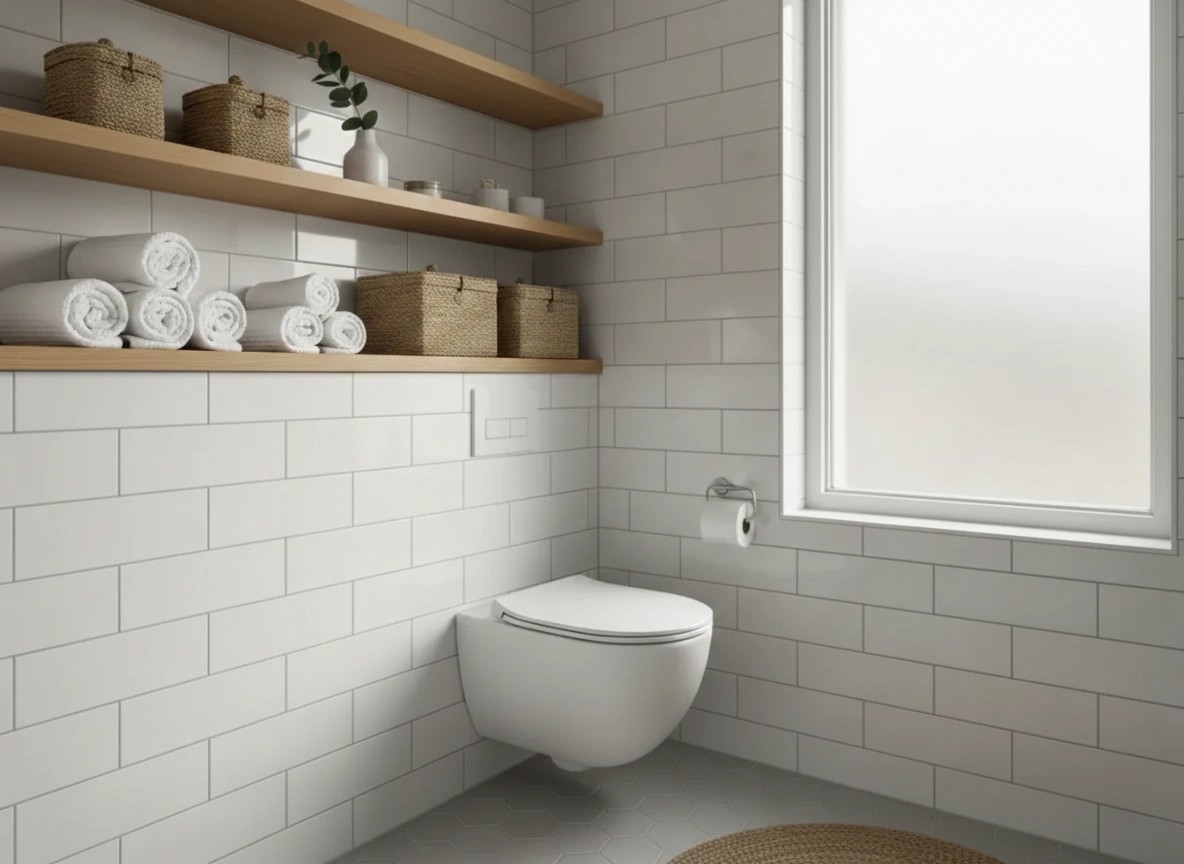
Small bathrooms present a universal challenge: cramming all your essentials into limited square footage without creating chaos. Yet size constraints don't have to mean clutter. With smart storage solutions and strategic organization, even the tiniest bathroom can feel spacious and function beautifully.
This guide shares practical, proven storage strategies that work in real small bathrooms—no renovation required for most of them.
Understanding Your Storage Needs
Before adding storage, audit what you actually use. Most bathrooms accumulate products that go unused for months or years. A ruthless declutter is the first step to better storage.
The One-Month Test
For one month, mark any product you use with a small sticker. At month's end, anything unmarked should be evaluated honestly. If you haven't used it in a month, you probably won't. Exceptions include seasonal items (sunscreen in winter) or backups you're keeping intentionally.
Categorize What Remains
Group items by type and frequency of use:
- Daily essentials: Toothbrush, toothpaste, soap, moisturizer, deodorant
- Regular use (2-3x week): Shampoo, conditioner, shaving supplies, styling products
- Occasional use: Extra toiletries, specialty products, guest supplies
- Linens: Towels, washcloths, bath mats
- Cleaning supplies: Cleaners, tools, extras
Prime real estate (eye-level, easy-reach zones) should house daily essentials. Everything else can occupy less convenient spaces.
Maximizing Vertical Space
Small bathrooms rarely lack wall space—they lack utilized wall space. Looking up reveals untapped storage potential.
Solution 1: Over-the-Toilet Storage
The space above your toilet is prime real estate often left empty. Over-the-toilet units—shelving that frames the toilet—provide three to four shelves without claiming floor space.
What to store: Extra toilet paper, rolled towels, decorative baskets with supplies, plants, candles
Buying tip: Measure your toilet's dimensions before purchasing. Units should clear your toilet tank with a few inches to spare and should be secured to the wall for stability.
Solution 2: Ladder Shelving
Ladder shelves lean against the wall, offering multiple tiers while maintaining an open, airy feel. Their narrow profile (typically 18-24 inches wide, 12-15 inches deep) fits in tight spaces.
What to store: Folded towels on lower shelves (easier access), decorative items and less-used products on upper shelves
Styling tip: Use baskets on open shelves to contain small items while maintaining visual cohesion. Consistent basket style creates an organized, intentional look.
Solution 3: Wall-Mounted Shelving
Floating shelves installed above the door, along blank walls, or in corners capture unused space without visual bulk.
Strategic placement:
- Above the door: Perfect for extra towels or seasonal items
- Beside the mirror: Daily products within arm's reach
- In shower corners: Soap, shampoo, conditioner
Vanity Organization
The under-sink cabinet often becomes a black hole where products disappear into chaos. Proper organization makes this space work harder.
Dealing with Plumbing
Pipes under the sink complicate storage, but stackable drawers and tiered organizers work around them:
- Stackable drawers: Create pull-out storage on either side of pipes
- Tiered shelf risers: Add a second level, doubling vertical space
- Lazy Susans: Make corner spaces accessible; spin to reach items in back
- Tension rods: Install vertically to hang spray bottles, freeing floor space for other items
Drawer Organization
Drawers without dividers waste space and create jumbled messes. Organize with:
- Acrylic drawer dividers: Transparent organizers let you see everything at a glance
- Small bins: Corral similar items (makeup, hair accessories, first aid)
- Expandable organizers: Adjust to fit drawer dimensions precisely
Door and Wall Real Estate
Doors and blank walls offer storage surfaces you're probably underutilizing.
Over-the-Door Organizers
Over-the-door racks hang on standard doors without hardware, providing pockets for numerous items:
- Hair tools (dryer, straightener, curling iron)
- Cleaning supplies
- Personal care products
- Extra toilet paper rolls
Consider: Clear pocket organizers let you see contents at a glance. Fabric versions hide contents for a cleaner look.
Towel Hooks and Bars
Replace single towel bars with multiple hooks to hang more towels in the same space. Install on:
- Behind the door
- Beside the shower
- On any blank wall section
Hooks accommodate bulky items like robes more easily than bars.
Magnetic Strips
For metal tweezers, scissors, bobby pins, and nail clippers, install a magnetic strip inside a cabinet door or on the wall. These small items stay organized and accessible without taking up drawer space.
Shower and Tub Storage
Shower products often accumulate on tub edges, creating clutter and making cleaning difficult.
Tension Pole Caddies
Floor-to-ceiling tension poles with hanging baskets provide shower storage without drilling into tile:
- Install in a corner where walls meet
- Adjust basket heights to suit your products
- Move easily if you rent or want to reconfigure
Shower Corner Shelves
Adhesive corner shelves stick to tile, creating storage without permanent fixtures. Modern adhesives are surprisingly strong and remove cleanly when needed.
Installation tip: Clean tile thoroughly with rubbing alcohol before applying adhesive. Let cure for 24 hours before loading with products.
Shower Curtain Rod Storage
A second shower curtain rod installed lower than your shower curtain can hold S-hooks with hanging baskets or mesh bags for bath toys, loofahs, or washcloths.
Hidden Storage Opportunities
Some of the best storage hides in plain sight.
Medicine Cabinet Makeover
Standard medicine cabinets waste vertical space with widely-spaced shelves. Add plastic shelf risers to create extra levels for shorter items like medicine bottles and cosmetics.
Mirror with Built-In Storage
Replace a standard mirror with a medicine cabinet mirror for hidden storage that doesn't claim wall space or look cluttered.
Rolling Cart
Slim rolling carts (6-8 inches wide) slide into narrow gaps beside the toilet or vanity. Pull out for access, push back flush with fixtures when done.
Ideal for: Extra toilet paper, cleaning supplies, hair tools, or backup toiletries
Storage That Serves Double Duty
Decorative Baskets
Woven baskets on shelves or counters hide toiletries while adding texture and warmth. Choose natural materials like seagrass, rattan, or water hyacinth for bathroom-appropriate options that handle humidity.
Ottoman with Storage
A small storage ottoman provides seating while hiding extra towels, toilet paper, or cleaning supplies inside.
Wall-Mounted Planter Box
Use a narrow wall-mounted planter box (the kind designed for herbs or flowers) to store rolled washcloths, cotton rounds, or small toiletries. Adds greenery if you plant something, or serves as purely functional storage.
Maintaining Organization
Creating storage is easier than maintaining it. Build these habits to keep your system working:
The One-In-One-Out Rule
When buying a new product, discard or donate an old one. This prevents accumulation and forces evaluation of what you actually use.
Monthly Quick Audit
Spend 10 minutes monthly checking expiration dates, discarding empties, and returning items to their designated spots. Catching disorder early prevents overwhelming chaos.
Assign Everything a Home
Every item needs a designated spot. When everything has a home, putting things away becomes automatic rather than a decision-making process.
Label If Helpful
If multiple people use the bathroom, labels on baskets and bins help everyone maintain the system.
Common Mistakes to Avoid
Over-purchasing storage before decluttering: You may need less storage than you think once you remove unused products. Declutter first, then buy storage for what remains.
Choosing style over function: That beautiful open shelving looks great in photos but may not suit your actual storage needs if you prefer hidden storage.
Ignoring humidity: Bathrooms are humid. Avoid cardboard boxes or untreated wood that will deteriorate. Choose moisture-resistant materials like plastic, metal, or sealed wood.
Blocking access: Don't make daily essentials hard to reach. If accessing something requires moving three other things, you won't maintain the system.
Not securing tall furniture: Always secure tall shelving units to the wall, especially over toilets. Bathrooms are small; tipping hazards are real.
When to Consider Professional Storage
If basic organization hasn't solved your storage crisis, consider consulting a professional:
- Custom closet companies: Many design bathroom storage solutions, not just closets
- Professional organizers: Help identify unique solutions for your specific space and habits
- Bathroom remodelers: If your layout fundamentally doesn't work, strategic renovation might be worthwhile
Signs you might benefit from professional help: You've tried multiple organization systems without lasting success, your bathroom layout creates functional problems, or you're planning a renovation anyway.